Aug 13, 2021 | Dental Topics 3, Root Canal Treatment, Blog
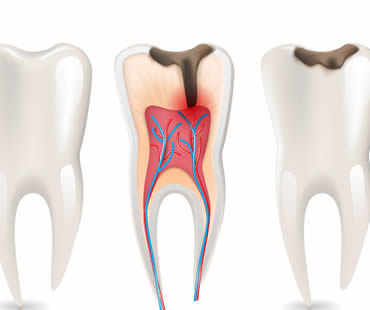
There are many misconceptions about root canal treatment. This process is recommended when your tooth pulp is infected or damaged, and the treatment is needed to save your tooth. The damaged pulp is removed from your tooth and filled with a material that prevents future infections. A crown is often recommended to be placed over the tooth to complete the procedure and preserve the tooth. If your dentist recommends this treatment for you, it may save you some worry if you know the truth about the procedure.
Truth about the pain
Root canal treatment has advanced over the years, making it much less painful than its previous reputation. Anesthesia is used during the procedure, and most patients say it is no worse than getting a filling.
Truth about office visits
The procedure can usually be completed in just one or two office visits. Several factors impact the number of appointments, such as the extent of infection, complexity of the procedure, and need for referral to a different health care professional. Your dentist will be able to advise how many office visits are needed for your treatment.
Truth about symptoms
Your tooth does not absolutely have to be painful to indicate the need for a root canal. A dentist may diagnose a serious problem even when you don’t feel discomfort. That’s one reason regular checkups are important, so that issues can be caught.
Truth about cause
It is a myth that root canal treatment is caused by illnesses like heart disease, arthritis, or kidney disease. Medical research has proven these long-time myths to be untrue.
Truth about success
The benefits of root canal treatment can last a long time, even permanently. Sometimes patients experience broken teeth after treatment, but dentists attribute this to failure in the restoration or tooth construction instead of the root canal treatment itself. Patients who do not opt to get crowns tend to experience tooth breakage more often.
If you live in the Conyers area contact us today
Nov 18, 2022 | Dental Topics 3, Root Canal Treatment, Blog
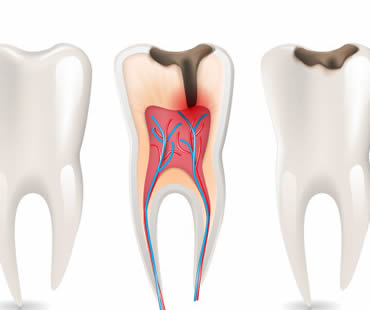
There are many misconceptions about root canal treatment. This process is recommended when your tooth pulp is infected or damaged, and the treatment is needed to save your tooth. The damaged pulp is removed from your tooth and filled with a material that prevents future infections. A crown is often recommended to be placed over the tooth to complete the procedure and preserve the tooth. If your dentist recommends this treatment for you, it may save you some worry if you know the truth about the procedure.
Truth about the pain
Root canal treatment has advanced over the years, making it much less painful than its previous reputation. Anesthesia is used during the procedure, and most patients say it is no worse than getting a filling.
Truth about office visits
The procedure can usually be completed in just one or two office visits. Several factors impact the number of appointments, such as the extent of infection, complexity of the procedure, and need for referral to a different health care professional. Your dentist will be able to advise how many office visits are needed for your treatment.
Truth about symptoms
Your tooth does not absolutely have to be painful to indicate the need for a root canal. A dentist may diagnose a serious problem even when you don’t feel discomfort. That’s one reason regular checkups are important, so that issues can be caught.
Truth about cause
It is a myth that root canal treatment is caused by illnesses like heart disease, arthritis, or kidney disease. Medical research has proven these long-time myths to be untrue.
Truth about success
The benefits of root canal treatment can last a long time, even permanently. Sometimes patients experience broken teeth after treatment, but dentists attribute this to failure in the restoration or tooth construction instead of the root canal treatment itself. Patients who do not opt to get crowns tend to experience tooth breakage more often.
Our dental office is located in Conyers
Sep 16, 2022 | Dental Topics 3, Root Canal Treatment, Blog
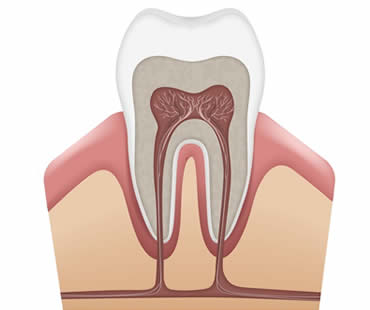
Root canal treatment is often a last resort for people who are experiencing tooth pain and want to save their damaged tooth. Although the procedure isn’t nearly as scary or painful as in years past, most patients view the aspect of this treatment with disdain. Recovery from a root canal is often no worse than recovering from a dental filling, but there are some issues that affect your ability to recover from root canal treatment.
Tooth condition
The severity of your tooth’s condition plays a big role in your treatment. If your infection or decay is not too advanced, it may mean an easier recovery than a patient with acute problems requiring extensive root canal treatment. Your dentist will determine the severity of your case and be able to prepare you for what to expect.
Dentist qualifications
Although all dentists are trained to perform root canal treatment, not all of them choose to offer this service as part of their practice. Your dentist may refer you to an endodontist, who is a dentist specializing in root canal treatment. These types of dentists are trained in all aspects of root canals and can handle even the most severe cases. Often, endodontists are so experienced and knowledgeable that they can even help shorten your recovery period after treatment.
After care
No matter which dentist performs your treatment, you should receive detailed instructions about how to care for yourself afterwards. You will be given guidelines about what to eat and what to avoid, how to handle pain, activity restrictions, and other details. There may also be mouth exercises suggested to follow to aid in your recovery. Make sure you keep any follow-up appointments to ensure proper healing.
If you need a dentist in Conyers contact us today
Apr 22, 2022 | Dental Topics 3, Root Canal Treatment, Blog
Root canal treatment is often a last resort for people who are experiencing tooth pain and want to save their damaged tooth. Although the procedure isn’t nearly as scary or painful as in years past, most patients view the aspect of this treatment with disdain. Recovery from a root canal is often no worse than recovering from a dental filling, but there are some issues that affect your ability to recover from root canal treatment.
Tooth condition
The severity of your tooth’s condition plays a big role in your treatment. If your infection or decay is not too advanced, it may mean an easier recovery than a patient with acute problems requiring extensive root canal treatment. Your dentist will determine the severity of your case and be able to prepare you for what to expect.
Dentist qualifications
Although all dentists are trained to perform root canal treatment, not all of them choose to offer this service as part of their practice. Your dentist may refer you to an endodontist, who is a dentist specializing in root canal treatment. These types of dentists are trained in all aspects of root canals and can handle even the most severe cases. Often, endodontists are so experienced and knowledgeable that they can even help shorten your recovery period after treatment.
After care
No matter which dentist performs your treatment, you should receive detailed instructions about how to care for yourself afterwards. You will be given guidelines about what to eat and what to avoid, how to handle pain, activity restrictions, and other details. There may also be mouth exercises suggested to follow to aid in your recovery. Make sure you keep any follow-up appointments to ensure proper healing.
Our dental office is located in Conyers
Nov 20, 2020 | Dental Topics 2, Root Canal Treatment, Blog
Tooth decay that is allowed to become severe can cause extensive damage to your tooth, even resulting in tooth loss if not treated. Sometimes symptoms are present that cause you to visit your dentist, but other times it’s just a regular checkup that catches a problem.
The source of trouble usually begins with a small area of tooth decay that goes unnoticed. Bacteria attacks, decay thrives, a cavity may form, and infection can spread. Cavities may be filled to repair the tooth and eradicate infection, but advanced cases of decay can reach the tooth’s interior. Once it gets to the pulp, serious damage can set in. This is when symptoms often appear, sometimes becoming severe.
Once damage reaches your tooth’s pulp, some common symptoms that will prompt you to call your dentist may include:
- Slight to severe pain when biting, chewing, or even putting slight pressure on the tooth
- Minor to extreme sensitivity when your tooth comes into contact with anything hot or cold
- Inflammation or swelling near the gum line surrounding the affected tooth
- Ongoing aches in the general area of the damaged tooth, including headaches, neck aches, or earaches
- Ulcers or bumps near the damaged tooth
- Difficulty performing normal mouth functions like eating
If you experience any of these symptoms, it’s time to visit your dentist for an evaluation. Root canal therapy might be recommended to restore your tooth’s health and regain comfort and functionality. Root canal treatment involves cleaning the damaged areas of the tooth pulp to remove infection and bacteria, filling the open space, and sealing it to prevent future damage. Sometimes a crown is placed on top to complete the process.
When a tooth is severely damaged, root canal therapy provides your best chance for restoration and optimum oral health. Your dentist will effectively and safely perform the procedure, and at the same time relieve the related symptoms that you may be experiencing.
If you live in the Conyers area contact us today
Sep 14, 2018 | Dental Topics 2, Root Canal Treatment, Blog
Pain, sensitivity, and trouble eating or sleeping are only a few of the uncomfortable symptoms of a damaged tooth. Sometimes the inside portion of a tooth, or its pulp, becomes so damaged that action must be taken. It could come in the form of extracting the tooth or it might be able to be saved through root canal treatment.
Virtually every dentist recommends root canal therapy over tooth extraction. It’s almost always better to save your natural tooth. Otherwise, you’ll end up with a hole in your smile and the problems that accompany it.
A tooth can be damaged for a variety of reasons such as severe decay, trauma, or deep cavities. The damaged pulp contains nerves, which is one reason that many patients experience severe pain. Although dental fillings can remedy some cavities or decay, when the situation advances to the extent of harming the tooth pulp, fillings are not enough. Root canal treatment is usually the best way to repair the tooth without having to pull it.
A root canal procedure involves drilling into the tooth so that the pulp can be completely removed and the canal thoroughly cleaned. Then the area is filled with special material and sealed to prevent future damage. Often, a dental crown is placed on top of the restored tooth to provide added protection. This process alleviates any symptoms and give you back your fully functional, natural tooth.
If you were to opt for tooth extraction instead of root canal treatment, you’d be choosing a more invasive approach. The procedure can be intrusive, time consuming and costly. Recovery from tooth extraction can be uncomfortable and take longer than root canal therapy. Careful oral hygiene is necessary after extraction to avoid infection or complications. You’ll also be left with an unappealing hole in your smile that can make eating and speaking more difficult, and your other teeth will likely start moving into that empty space.
To determine the best treatment for you, consult a reputable dentist. You’ll learn about the options and how root canal therapy may be the best choice in restoring your oral health and your smile.
We look forward to seeing you in our Conyers dental office
